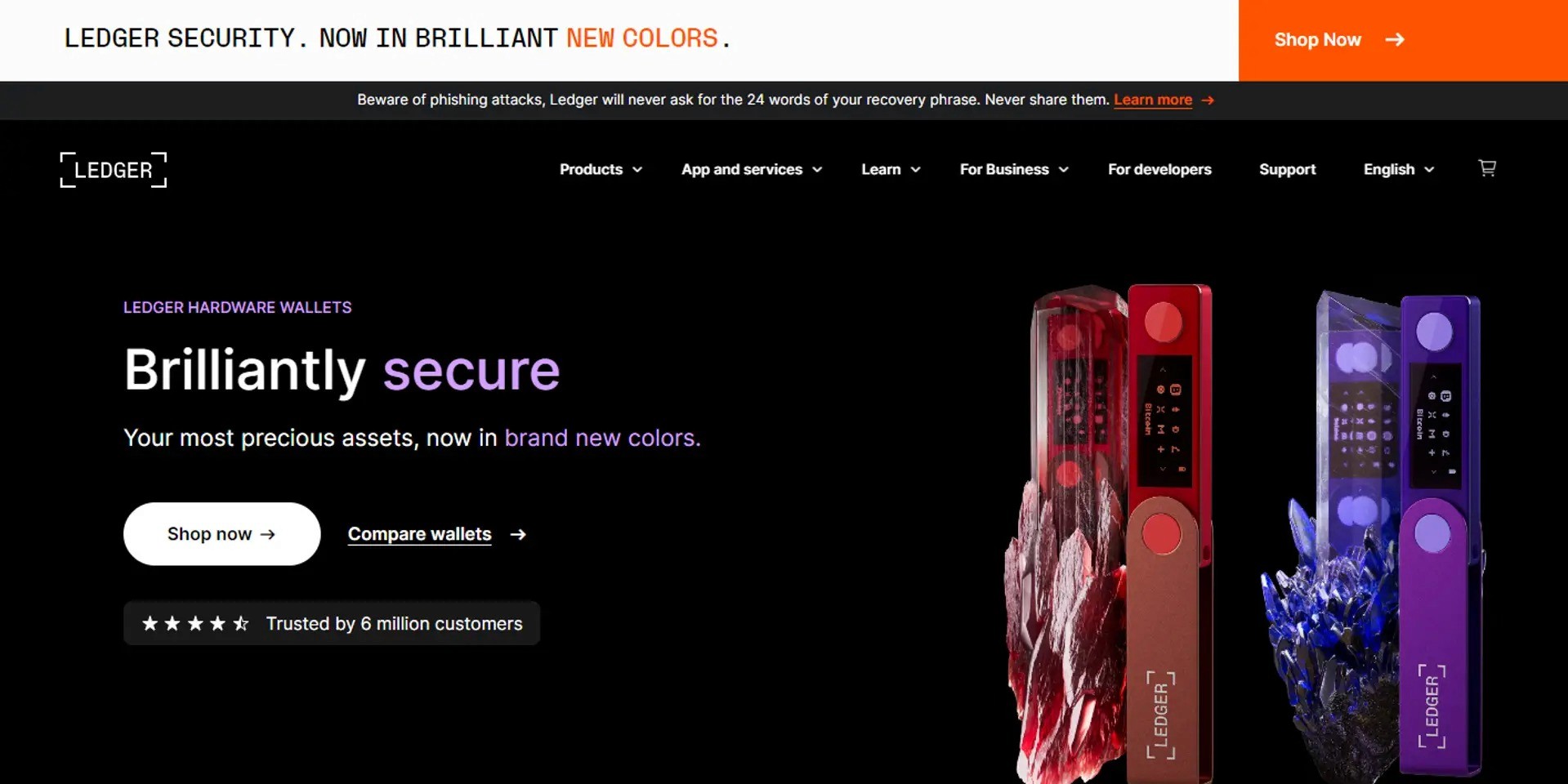
Ledger.com/Start – A Complete Beginner’s Guide to Setting Up Your Ledger Hardware Wallet
Securing your cryptocurrency begins with one critical step: choosing the right wallet and setting it up correctly. Ledger hardware wallets—such as the Ledger Nano S Plus and Ledger Nano X—are widely used because they offer a strong balance of security, accessibility, and user friendliness. If you’re new to Ledger or simply want a clear walkthrough, this guide will take you through everything the typical Ledger.com/Start onboarding experience offers: unboxing, device setup, recovery phrase security, installing Ledger Live, managing assets, and essential security best practices.
Think of this as your easy, confidence-boosting roadmap. By the end, you’ll not only know how to set up your Ledger device, but also why each step matters.
1. Understanding What Ledger.com/Start Is For
Ledger.com/Start is the official starting point Ledger provides for setting up any of their hardware wallets. Rather than letting you figure things out on your own, the Start page organizes every step into clear instructions and official download links.
You should always use official Ledger resources when setting up your device. Cryptocurrency wallets deal with sensitive information, so using legitimate download links reduces the risk of accidentally installing fake software or falling for phishing traps.
The Start page generally helps with:
Installing Ledger Live, the companion app
Updating your device firmware
Creating and securing your Recovery Phrase
Adding accounts for cryptocurrencies
Making your first transaction
This guide expands on those steps and adds safety tips you should never overlook.
2. Unboxing Your Ledger Device: What to Expect
When you open a new Ledger box, you should find:
The hardware wallet itself
A USB cable (type depends on model)
Recovery phrase cards (blank)
A quick start booklet
Packing inserts or stickers
A genuine Ledger device will never come with a pre-written recovery phrase. If you ever see a device that comes with a seed phrase already filled out, do not use it—it’s compromised. You, and only you, should generate your recovery phrase during setup.
3. Step-by-Step Setup Process
Step 1: Download Ledger Live
Ledger Live is the control center for your device. It lets you install apps, manage coins, view balances, send and receive crypto, and check firmware updates.
You should download it only from Ledger’s official site. Once installed, open the app, connect your Ledger device to your computer or mobile phone, and follow the on-screen prompts.
Step 2: Set Up as a New Device
On your Ledger’s screen, you’ll be asked whether you want to:
Set up as a new device, or
Restore from recovery phrase
Choose Set Up as New Device if this is your first time using it.
Next, the device will ask you to create a PIN code. This PIN unlocks the device, similar to unlocking a phone. Choose something you can remember but that others can’t guess. Avoid birthdays, repeating digits, or anything easy to identify.
Step 3: Your 24-Word Recovery Phrase
This is the most important part of the entire setup.
Your Ledger generates a random 24-word Recovery Phrase, sometimes called a seed phrase. These 24 words represent the master private key to your wallet. Anyone who has the phrase has total access to your crypto—even without your device.
That means:
Ledger cannot recover it for you
Ledger cannot reset it
Ledger cannot help you “look it up”
Customer support cannot view it
You are the only guardian of the recovery phrase.
Write the words down carefully on the provided recovery sheets, checking the spelling and order. Take your time. Double-check. The device will usually ask you to confirm several random words to verify accuracy.
Where NOT to store your Recovery Phrase:
Screenshots
Notes app on your phone
Google Drive or cloud storage
Email
Social media drafts
Photos
Why? Because any digital file can be hacked.
Where you can store it:
On the official recovery sheet, kept in a safe
Engraved in a metal backup plate resistant to fire or water
Split into pieces and stored in separate secure locations
Never share your phrase with anyone for any reason.
Step 4: Installing Apps for Cryptocurrencies
Your Ledger device supports a wide range of cryptocurrencies, but you must install specific apps through Ledger Live before you can manage them.
For example:
Install the Bitcoin app to manage BTC
Install the Ethereum app to manage ETH and ERC-20 tokens
Install the Solana app for SOL and Solana tokens
Installing apps does not store your crypto on the wallet itself. Apps are simply interfaces that let Ledger Live communicate with different blockchains.
Step 5: Adding Accounts
Once apps are installed, go to “Accounts” in Ledger Live and add accounts for each crypto you want to manage.
Ledger Live will guide you through connecting the device, opening the corresponding app, and scanning the blockchain for your account’s public address.
This is where you’ll be able to:
View your balance
Track transaction history
Send or receive crypto
Connect to third-party apps (if needed)
4. Sending and Receiving Crypto Using Ledger Live
Receiving Crypto
To receive crypto:
Open Ledger Live
Choose “Receive”
Select the crypto account
Verify the address on both your Ledger screen and the app
Always compare the address shown on the device’s screen to the one shown on your computer. This prevents the rare but dangerous scenario where malware could attempt to change your receiving address.
Sending Crypto
To send:
Click “Send” in Ledger Live
Enter the destination address
Confirm the amount
Verify the exact transaction details on your Ledger screen
Approve the transaction
Your private keys never leave the device. Ledger signs transactions within the secure chip, ensuring the signing process remains protected even on a compromised computer.
5. Understanding How a Ledger Wallet Protects You
Ledger wallets use a secure element chip, similar to what passports and credit cards use for tamper-resistant security. When you sign a transaction, the device performs the cryptographic process internally, meaning your private keys remain isolated.
This setup protects you from:
Key-logging malware
Screen hijackers
Clipboard hijackers
Many phishing attacks
Unauthorized access
However, no hardware wallet can protect you from mistakes like sending crypto to the wrong address or falling for an online scam. Always double-check everything.
6. Essential Security Tips Every Ledger User Should Know
1. Always verify URLs.
Phishing sites often spoof official ones. Bookmark the real Ledger URL.
2. Never share your Recovery Phrase.
Not with Ledger support, not with a friend, not with a website. No exceptions.
3. Keep your device’s firmware updated.
Updates improve security and add new features.
4. Beware of fake Ledger Live apps.
Download only from official sources.
5. Check transaction details on the device screen.
The device screen cannot be tampered with by malware.
6. Store your recovery sheet in a safe, offline location.
And consider using a metal backup.
7. Troubleshooting Common Issues
Device Not Connecting?
Try a different USB cable, avoid USB hubs, or restart your computer.
Ledger Live Not Recognizing the Device?
Make sure your device is unlocked and the correct crypto app is open.
Forgot Your PIN?
Reset the device and restore using your Recovery Phrase.
Lost the Device?
As long as your Recovery Phrase is safe, your crypto is safe. You can restore it onto another Ledger.
8. Final Thoughts: Your Crypto, Your Responsibility
Setting up a Ledger device is a powerful step toward taking ownership of your digital assets. Once configured, it becomes a secure vault—one that you alone control. Ledger.com/Start helps you begin that journey, and guides like this one provide further clarity and reassurance during the process.
Crypto security depends on habits, not just hardware. Treat your Recovery Phrase with care, stay alert for phishing attempts, confirm every transaction, and regularly update your device. With the right practices, your Ledger wallet can protect your digital assets for years to come.