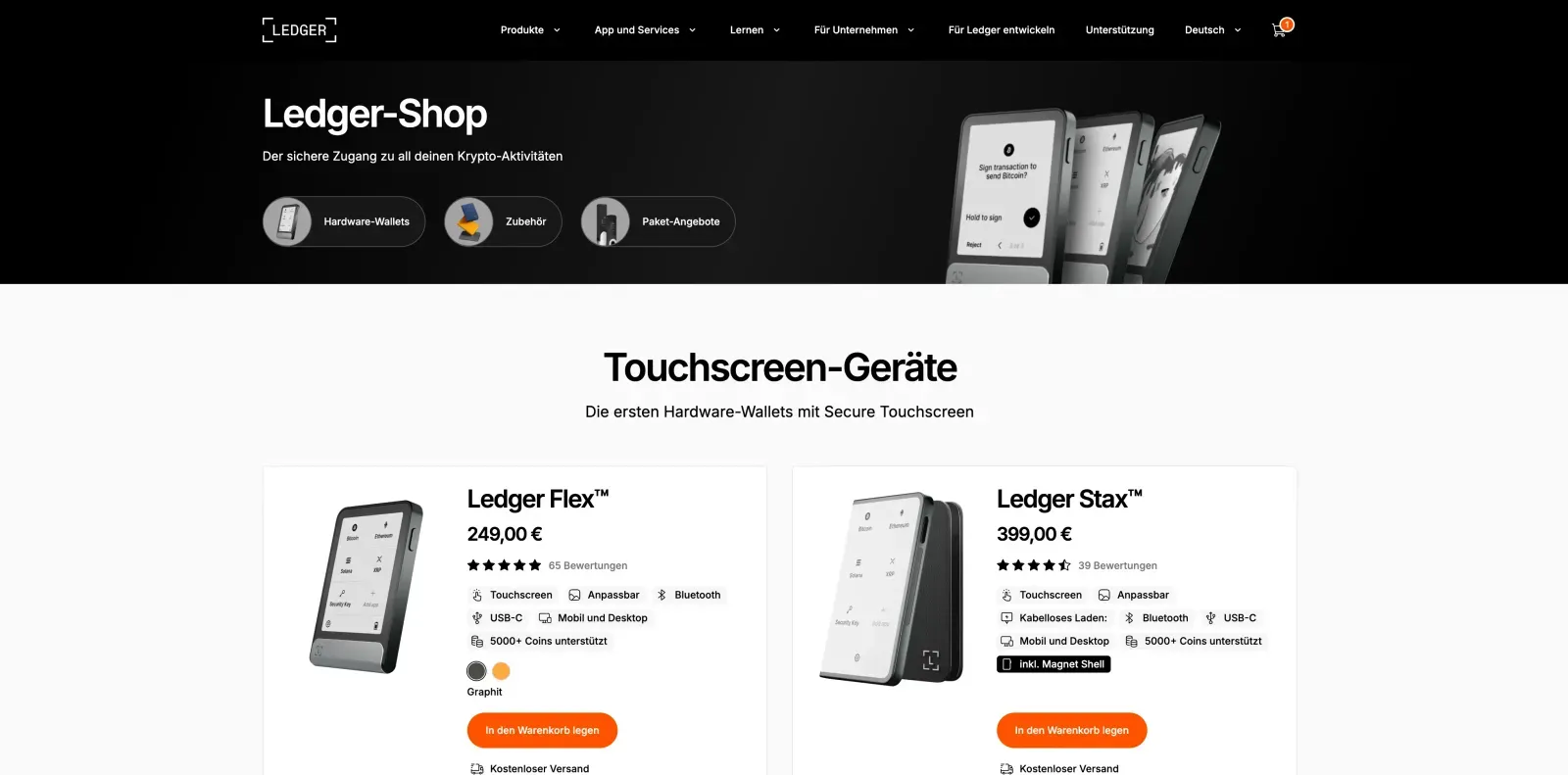
Getting Started With Your Ledger Device: A Complete Beginner’s Guide to Setting Up, Securing, and Using Your Crypto Wallet
The world of crypto gives you the freedom to own your assets without relying on a bank, exchange, or third-party custodian. But with that freedom comes responsibility—your security depends on the tools you use and the steps you take to protect your private keys. A hardware wallet is one of the safest ways to store crypto, and if you’ve just purchased a Ledger device—or are thinking about getting one—this guide will walk you through everything you need to know to get started confidently.
This step-by-step setup guide is designed for beginners but includes enough detail to be valuable for experienced users as well. You’ll learn how to initialize your device, create a secure recovery phrase, install apps, manage your crypto, and use additional security features. By the end, you will understand exactly how to use your hardware wallet safely and efficiently.
1. Understanding What a Hardware Wallet Does
Before diving into setup, it’s important to understand the core idea behind a hardware wallet. When you buy cryptocurrency from an exchange or store it in a software wallet, your private keys may be exposed to the internet or stored by a third party. A hardware wallet keeps your private keys stored inside a secure offline element designed to resist hacking, tampering, and unauthorized access.
Your hardware wallet does three essential things:
Generates and stores your private keys offline.
They never leave the device.Allows you to sign transactions securely.
Even when connected to a computer or phone, the private keys remain isolated.Gives you full control of your digital assets.
Your crypto stays in your custody—not on an exchange.
Once you understand these basics, the importance of proper setup becomes clearer. The strength of your wallet depends not only on the hardware but on how you configure and protect it.
2. What You Need Before You Start
To begin the setup process smoothly, gather the following:
Your hardware wallet (Ledger Nano S Plus, Ledger Nano X, or similar)
The included USB cable
A computer or smartphone with internet access
A pen for writing your 24-word recovery phrase on the provided recovery sheet
A quiet, private space where you won’t be interrupted
Never rush the setup. Proper initialization takes only a few minutes but ensures long-term security.
3. Installing the Companion App
Your hardware wallet works alongside the Ledger Live app, which acts as your interface for managing crypto, installing apps, sending and receiving funds, and viewing your portfolio.
Steps to install:
Visit the official app download page from the manufacturer.
(Always verify the URL and never download wallet software from unofficial sources.)Choose your operating system:
Windows
macOS
Linux
iOS or Android (for supported devices)
Install the app, then open it and choose “Get Started.”
Select your device from the list of hardware wallets.
The app will guide you through the remaining steps.
4. Initializing Your Hardware Wallet
This is where you create the secure foundation for your crypto security.
A. Power on the device
Connect the hardware wallet to your computer or phone using the provided cable. The device will turn on automatically and display instructions.
B. Choose “Set up as new device”
If you’re setting up your wallet for the first time, choose the option to create a new wallet.
Only choose “Restore” if you already have a recovery phrase.
C. Create a PIN code
Your PIN protects your device if it is lost or stolen. Choose a PIN that is:
4–8 digits long
Not easily guessable
Not reused from another device
You will confirm the PIN by entering it a second time.
D. Generate your Recovery Phrase
Your device will now display a 24-word recovery phrase, one word at a time. These 24 words are the only way to recover your funds if your device is lost, broken, or stolen.
Important rules:
Write the words in the exact order shown.
Never take photos or digital notes of the words.
Never share them with anyone—not even support staff.
Store your recovery sheet in a secure, offline place.
After writing the words down, the wallet will ask you to confirm them by selecting specific words in the given order. This ensures you wrote them down correctly.
5. Installing Crypto Apps and Adding Accounts
Your hardware wallet supports many cryptocurrencies, but you need to install the corresponding app for each one you want to use.
Installing apps:
Open the companion app.
Navigate to “My Ledger” or the app catalog.
Select the cryptocurrency app you want to install (e.g., Bitcoin, Ethereum).
Click “Install.”
The app will transfer to the hardware wallet.
Adding accounts:
Once an app is installed:
Go to “Accounts.”
Click “Add account.”
Select the cryptocurrency.
Follow the prompts to synchronize the account with the blockchain.
Your device will verify the process to ensure that the account is truly yours.
6. Receiving Crypto Safely
To receive crypto, you’ll share a public address, not your private keys.
Steps to receive funds:
Open the companion app.
Select your account.
Click “Receive.”
Connect and unlock your device.
Verify the address displayed on your computer with the one shown on the device’s screen.
Always confirm on the hardware wallet screen—this ensures your address hasn’t been tampered with by malware.
Copy the verified address and share it with the sender. Once the network confirms the transaction, it will appear in your account balance.
7. Sending Crypto Securely
Sending crypto requires signing the transaction with your private key—which happens inside the hardware wallet.
Steps:
Open the app and go to the account you want to send from.
Click “Send.”
Paste the recipient’s address.
Enter the amount.
Choose your network fee option.
Confirm on the computer or phone.
Review details on the hardware wallet screen.
Approve the transaction.
Since the private key never leaves the device, your transaction is secure even if your computer is compromised.
8. Backups, Security Tips & Best Practices
Your hardware wallet is powerful, but only when used correctly. Keep these guidelines in mind:
A. Protect your Recovery Phrase
Your 24-word phrase is the master key to your crypto. Anyone who has it can access your funds.
Store it offline.
Consider using a metal backup plate.
Never enter it into any website or app.
B. Enable additional security features
Depending on your device and app, you may have:
Passphrase support
Biometric login for the app
Anti-tampering checks
Use these features to add layers of protection.
C. Keep firmware up to date
Regular updates improve security and compatibility.
D. Be cautious of scams
Phishing attacks are common in crypto. Always double-check URLs, never trust unsolicited messages, and never share your keys or recovery phrase.
9. Exploring Advanced Features
Once you’re comfortable with the basics, you can explore more advanced options:
Staking certain cryptocurrencies to earn rewards
NFT management through supported apps
Connecting to Web3 applications using WalletConnect or similar tools
Using decentralized finance (DeFi) platforms securely
Managing multiple accounts across different blockchains
Syncing across mobile and desktop
Hardware wallets aren’t just for storage—they are gateways to the entire world of decentralized finance.
10. Final Thoughts: Take Control of Your Crypto Securely
Setting up your hardware wallet is your first step toward true financial independence in the digital world. Once your device is initialized, your recovery phrase is secured, and your apps and accounts are installed, you can buy, sell, store, and manage your crypto assets with confidence.
Crypto rewards those who take security seriously. By using a hardware wallet and following the best practices outlined above, you put yourself in the strongest possible position to protect your assets today and in the future.
If you’re ready to take control of your crypto journey, your hardware wallet is the key—and this guide gives you everything you need to start with clarity and confidence.